

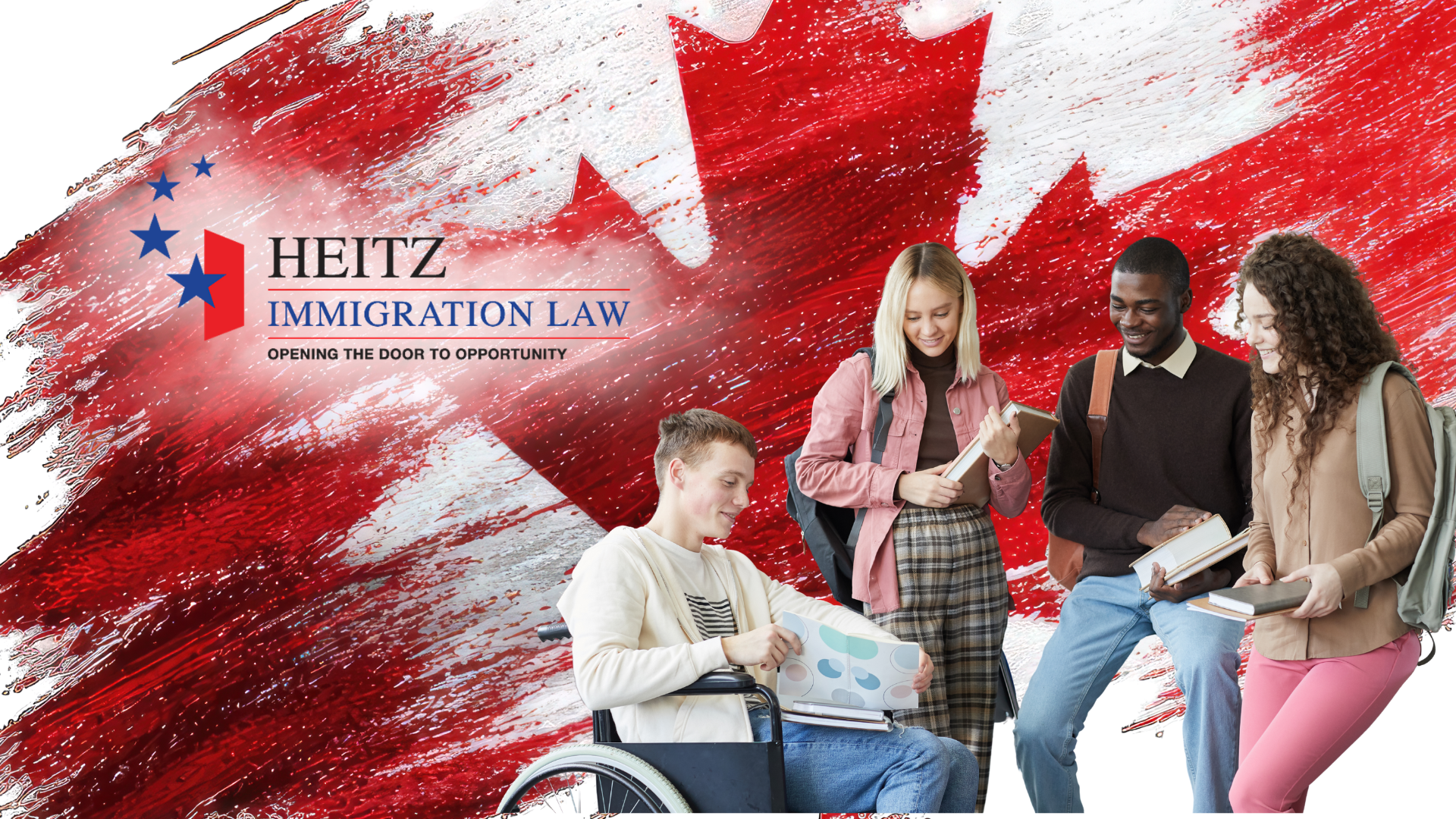
For Canadian citizens, obtaining permission to study in the United States is often much easier than for students from many other countries. Canadians are generally exempt from needing a traditional visa stamp at a U.S. consulate. Instead, once accepted by a U.S. school and issued the required Form I-20, they can usually apply directly for F-1 student status at a U.S. airport or land border crossing with U.S. Customs and Border Protection.
While the process is simpler for Canadians, approval is not automatic. Students must still show that they have been accepted into a qualifying school, have sufficient financial support for tuition and living expenses, and intend to comply with the rules of student status. Careful preparation before appearing at the border is important, especially because CBP officers have discretion in these cases.
At Heitz Immigration Law, we assist Canadian students and families with preparing strong student visa application packages and advising on the best strategy before travel to the United States.
How the Process Works
The first step is being accepted by a U.S. school that is authorized to enroll international students. Once accepted, the school issues a Form I-20, which is the key immigration document needed to request F-1 student status.
Canadians generally do not need to attend a consular interview abroad. Instead, they typically present their documents directly to CBP at the airport or border crossing when entering the United States.
Students should be prepared to show that they:
- Have been accepted into a qualifying academic program
- Have adequate financial support
- Intend to study full-time
- Will comply with the terms of their status
“Duration of Status”, A Major Benefit
One major advantage of F-1 student status is that it is usually granted for “Duration of Status” (D/S) rather than until a fixed expiration date.
This means the student may remain in the United States as long as they continue to maintain full-time student status and comply with immigration rules. This can allow students to complete lengthy degree programs and, in some cases, continue into graduate studies or authorized training opportunities.
Can Students Work?
F-1 student status comes with strict limitations on employment. Students are generally not permitted to freely work in the United States, although limited exceptions may exist for certain school-authorized employment or training programs.
Unauthorized employment can create serious immigration problems, so students should always seek guidance before accepting any type of work opportunity.
Can Family Members Come Too?
In many cases, spouses and unmarried children under 21 may accompany the student in dependent F-2 status.
Dependent children can usually attend school in the United States, making this an attractive option for families. However, spouses in F-2 status are generally not authorized to work in the United States.
Student Visas for Younger Children
Student visas can be more difficult for children attending elementary, middle, or high school in the United States. Public school options are limited, and many families must instead look at private schools that are authorized to issue international student documents.
Some Canadian families mistakenly assume they can simply enter the United States as visitors and enroll their child in a U.S. public school. In many situations, this can create serious immigration issues and may violate the terms of a visitor’s status. We discuss this topic in more detail in our blog post about children attending U.S. public schools while in visitor status.
Parents often assume they can simply relocate to the United States with the child, but there are important limitations on what a parent accompanying a minor student may legally do while in the U.S. These cases require careful immigration planning.
A Good Option for E-2 Families with Aging-Out Children
Student status can also be an excellent solution for children of E-2 investors who are approaching age 21 and will soon lose their dependent status.
By obtaining acceptance to a U.S. college or university and securing F-1 student status before aging out, many children are able to continue legally living and studying in the United States while planning their next immigration steps.
Many Canadian families first come to the United States through the E-2 investor visa program. If you are considering investing in a U.S. business, you can also read our blog about E-2 visas for Canadians.
How We Can Help
Even though the process is often easier for Canadians, many students and families underestimate the importance of proper preparation before appearing at the border. Issues involving finances, school selection, family members, or long-term immigration goals can all affect the case.
At Heitz Immigration Law, we help Canadian students and families:
- Prepare and organize student visa application packages
- Review financial and supporting documentation
- Strategically plan border applications
- Advise families accompanying students
- Assist E-2 families with aging-out children
- Develop long-term immigration strategies for studying and living in the United States
If you are considering studying in the United States or planning for your child’s future immigration options, our office can help guide you through the process.